NPS Scheme in India Explained: Benefits, Tax Saving & Retirement Calculation (2026 Guide)

NPS Scheme in India Explained: Simple Guide for Retirement Planning
NPS Scheme in India Explained: Benefits, Tax Saving & Retirement Calculation (2026 Guide)
Learn how NPS works in India with simple examples, tax benefits under 80CCD, asset allocation, withdrawal rules, and retirement calculation. Beginner-friendly guide.
NPS PRAN card India retirement account example
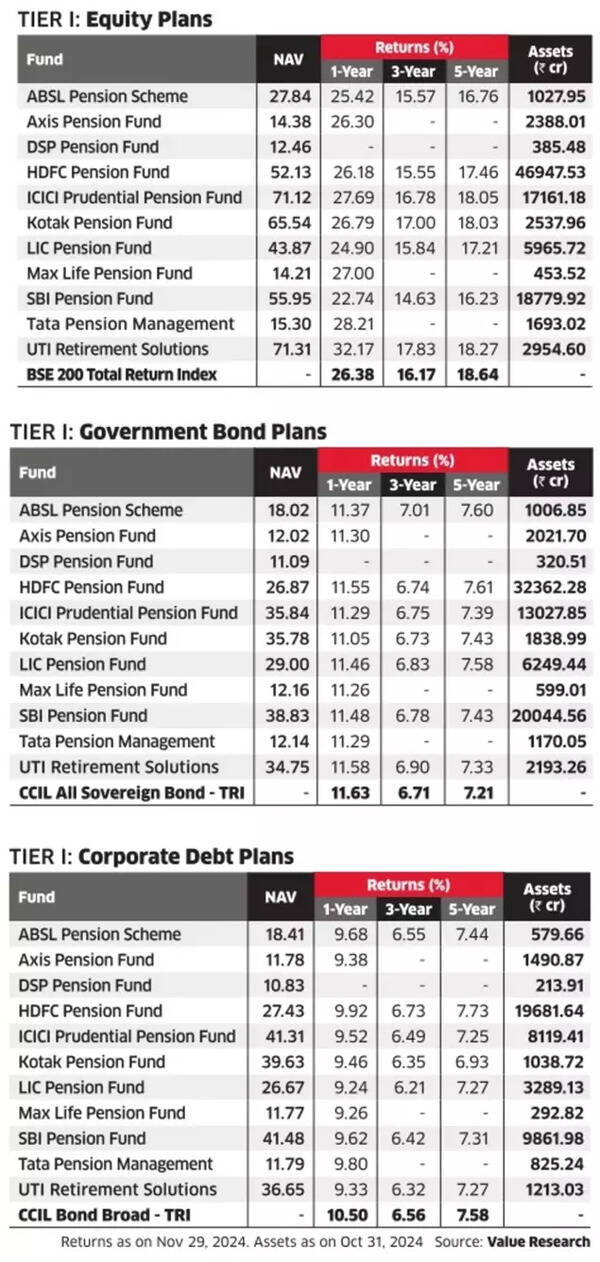
NPS asset allocation equity debt government bonds chart India
NPS tax benefit 80CCD calculation infographic India
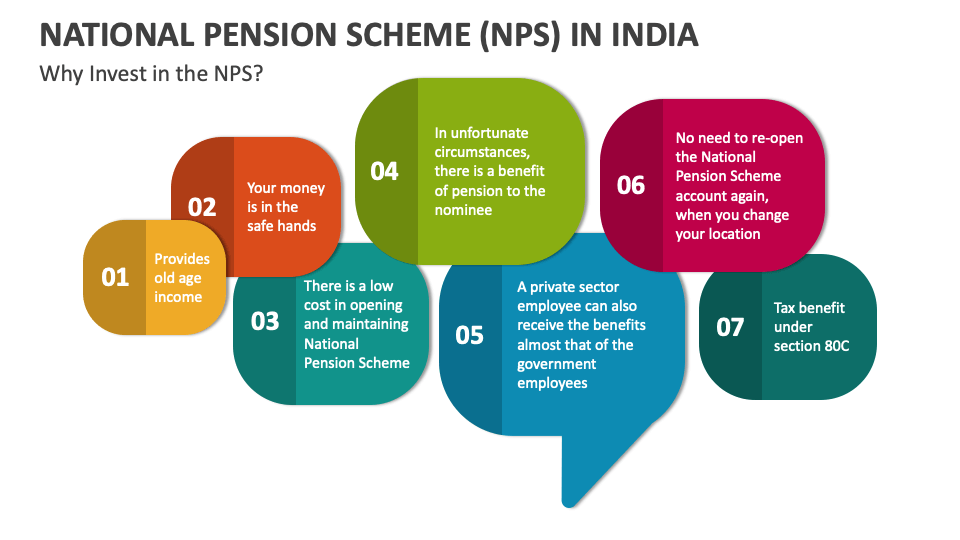
Indian retirement planning with NPS scheme visual guide
NPS online registration process India screenshot example
For most Indian citizens, retirement feels far away. Many people think:
“I will plan later.”
“EPF is enough.”
“Government will take care.”
But the truth is simple:
👉 Retirement planning must start early.
One powerful tool available in India is:
👉 NPS – National Pension System
In this article, we will explain NPS scheme in India in a simple, practical, and friendly way, using real Indian examples.
No complicated pension formulas. Only clear guidance.
What Is NPS? (In Simple Words)
NPS (National Pension System) is a government-backed retirement savings scheme.
It helps you:
✅ Invest regularly
✅ Save tax
✅ Build retirement corpus
✅ Get pension after 60
It was launched by the Government of India and regulated by:
👉 Pension Fund Regulatory and Development Authority (PFRDA)
Who Can Open NPS?
Anyone between 18 to 70 years can open NPS:
Salaried employees
Self-employed
Business owners
Professionals
NRIs
It is open to all Indian citizens.
How NPS Works (Step-by-Step)
Let’s understand in simple steps.
Step 1: Open NPS Account
You get a PRAN (Permanent Retirement Account Number).
This is your unique pension ID.
Step 2: Invest Regularly
You contribute money:
Monthly
Quarterly
Yearly
Minimum contribution required to keep account active.
Step 3: Money Gets Invested
Your money is invested in:
Equity (shares)
Government bonds
Corporate bonds
You choose asset allocation.
Step 4: Retirement at 60
At age 60:
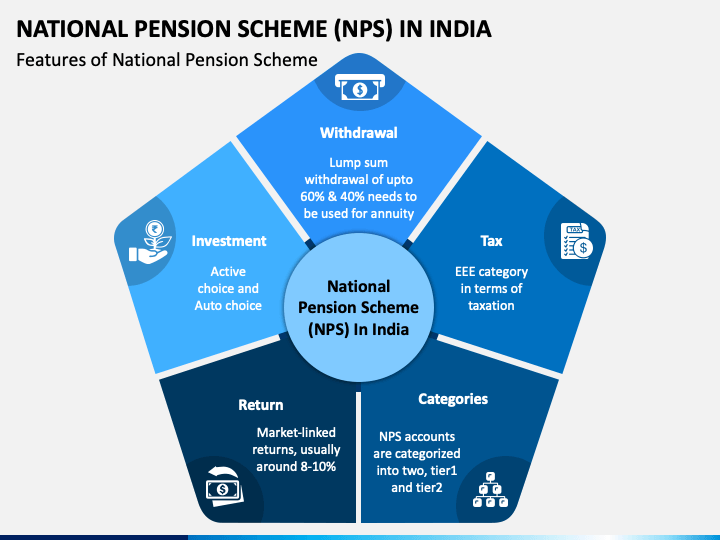
You can withdraw 60% lump sum
40% must be used to buy annuity (pension)
This ensures regular income after retirement.
Types of NPS Accounts
There are two main types.
1️⃣ Tier 1 Account (Main Retirement Account)
Mandatory for pension
Lock-in till 60
Tax benefits available
Best for retirement planning.
2️⃣ Tier 2 Account (Voluntary Savings)
No lock-in
No special tax benefit (except govt employees)
Flexible withdrawal
Acts like mutual fund.
NPS Asset Allocation Options
You can choose how your money is invested.
Auto Choice
Allocation changes automatically with age.
More equity when young.
More debt when older.
Active Choice
You decide:
| Asset Class | Meaning |
|---|---|
| E | Equity |
| C | Corporate Bonds |
| G | Government Bonds |
Maximum equity allowed: 75% (for young investors).
Example: NPS Investment Calculation
Let us understand with real numbers.
Case: Rahul (Age 30, IT Employee)
Invests ₹5,000 per month
Annual = ₹60,000
Duration = 30 years
Average return = 10%
Total Invested:
₹18 lakh
Approx Retirement Corpus:
₹1 crore+
At 60:
60% withdrawal = ₹60 lakh
40% annuity = ₹40 lakh
Monthly pension starts.
Chart: NPS Growth Example (₹5,000 Monthly)
Age 30 → Start
Age 40 → ₹12–15 lakh
Age 50 → ₹40–50 lakh
Age 60 → ₹1 crore+
Compounding works strongly in long duration.
NPS Tax Benefits (Very Important)
NPS gives extra tax benefit.
Under:
👉 Section 80CCD(1)
Up to ₹1.5 lakh (included in 80C limit)
👉 Section 80CCD(1B)
Extra ₹50,000 deduction
So total tax benefit:
👉 ₹2 lakh possible
Example
If you invest ₹2 lakh in NPS:
Tax saving (30% slab) = ₹60,000
Big benefit.
👉 Related Read:
Internal Link: PPF in India Explained
https://marketmeterab.blogspot.com/ppf-india-explained
NPS vs EPF vs PPF
| Feature | NPS | EPF | PPF |
|---|---|---|---|
| Risk | Medium | Low | Very Low |
| Return | 8–12% | 8–8.5% | 7–8% |
| Lock-in | Till 60 | Job-based | 15 Years |
| Tax Benefit | High | Yes | Yes |
| Pension | Yes | No | No |
NPS gives highest growth potential among three.
NPS Withdrawal Rules
Before 60:
Partial withdrawal allowed (conditions apply)
After 60:
60% tax-free withdrawal
40% annuity mandatory
After 75:
Full withdrawal allowed.
Real-Life Indian Example
Case: Neha (Self-employed, Pune)
No EPF
Invests ₹8,000/month in NPS
Also invests ₹5,000 SIP
After 30 years:
NPS corpus = ₹1.6 crore
SIP corpus = ₹1.2 crore
Total retirement corpus = ₹2.8 crore
Balanced planning works.
Who Should Invest in NPS?
Best for:
✅ Salaried employees
✅ Self-employed
✅ Taxpayers in 20–30% slab
✅ Long-term planners
✅ Retirement-focused people
Not ideal for:
❌ Short-term investors
❌ People needing liquidity
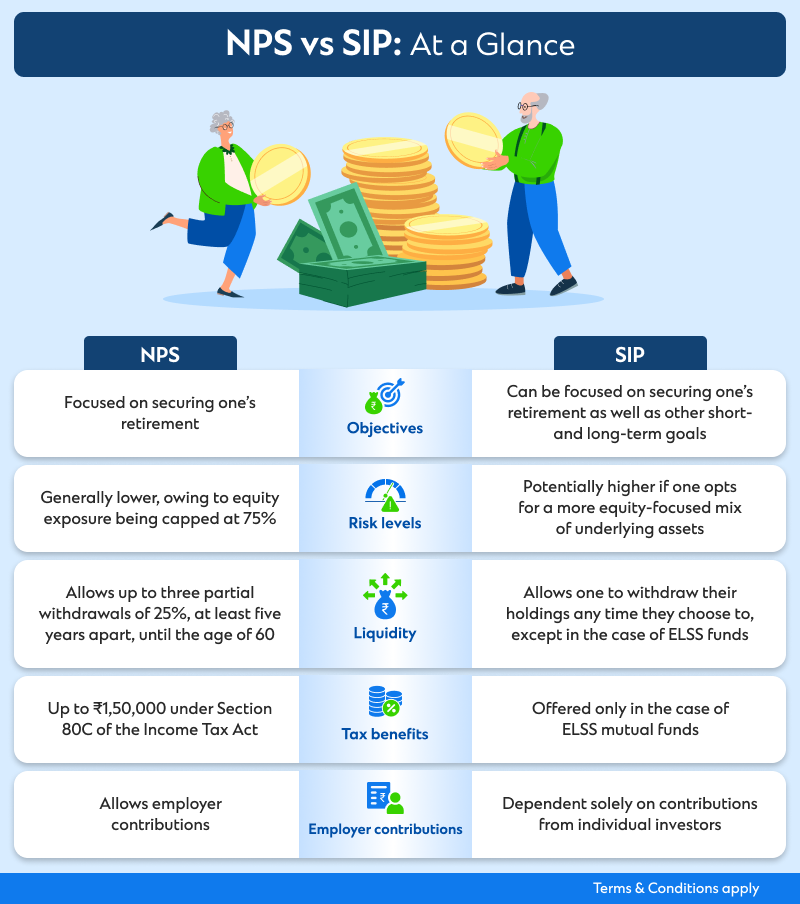
NPS vs Mutual Funds
| Feature | NPS | Mutual Funds |
|---|---|---|
| Lock-in | Till 60 | Flexible |
| Tax Benefit | Extra ₹50K | No extra |
| Equity Limit | 75% | No limit |
| Pension | Yes | No |
Best strategy:
👉 NPS + Mutual Funds
👉 Related Read:
Internal Link: Long Term vs Short Term Investing
https://marketmeterab.blogspot.com/long-term-vs-short-term-investing
Common Mistakes Indians Make
Starting late
Not claiming extra ₹50K deduction
Ignoring asset allocation
Withdrawing early
Depending only on EPF
Avoid these mistakes.
How to Open NPS Account
You can open NPS:
Online through NSDL portal
Through banks
Through Post Office
Documents required:
PAN
Aadhaar
Bank account
Photo
Process is simple and online.
Role of Market Regulator
While NPS is regulated by PFRDA, stock investments in NPS are linked to markets regulated by:
👉 Securities and Exchange Board of India
So overall system is transparent.
Statutory Disclaimer
Investments in NPS are subject to market risks as returns depend on asset allocation and market performance. Past performance does not guarantee future results. Tax benefits are subject to change as per Government of India regulations. This article is for educational purposes only and does not constitute financial advice. Investors should consult a qualified advisor before making decisions.
Frequently Asked Questions (FAQ)
Q1. Is NPS safe?
Yes, but returns depend on market performance.
Q2. Can I withdraw full amount at 60?
Only 60% lump sum. 40% must buy annuity.
Q3. Is NPS better than PPF?
For higher growth, yes. For safety, PPF is better.
Q4. Can self-employed invest?
Yes, highly recommended.
Q5. What happens if I stop contribution?
Account may become inactive but can be reactivated.
Useful Video & Image Resources
NPS Explained in Hindi:
https://www.youtube.com/watch?v=F9L2Q8M7X4ANPS Tax Benefit Explained:
https://www.youtube.com/watch?v=K8F2M9L4X7PNPS Official Portal:
https://www.npscra.nsdl.co.inPFRDA Official Website:
https://www.pfrda.org.in
Bibliography
PFRDA Annual Reports
Ministry of Finance Notifications
Income Tax Act – Section 80CCD
RBI Financial Stability Reports
NPS Scheme Documents
Suggested Internal Links for MarketMeterAB
EPF vs PPF Difference Explained
https://marketmeterab.blogspot.com/epf-vs-ppf-differencePPF in India Explained
https://marketmeterab.blogspot.com/ppf-india-explainedSIP vs Lump Sum Investment
https://marketmeterab.blogspot.com/sip-vs-lumpsumHow Dividends Work in India
https://marketmeterab.blogspot.com/how-dividends-workWhat Is Stock Market in India
https://marketmeterab.blogspot.com/what-is-stock-market-india
Final Words
NPS is not for quick money.
It is for:
✅ Discipline
✅ Long-term planning
✅ Tax saving
✅ Secure retirement
If you start early and stay consistent, NPS can build a powerful retirement fund.
👉 Remember: Retirement planning is not about age 60. It is about starting at 30.

Comments
Post a Comment