Post Office Saving Schemes in India Explained: Complete List, Interest & Benefits (2026 Guide)


Post Office Saving Schemes List in India Explained: Complete Guide for Safe Investment
Post Office Saving Schemes in India Explained: Complete List, Interest & Benefits (2026 Guide)
Learn about all post office saving schemes in India with interest rates, benefits, tax savings, and examples. Simple guide for safe and secure investment.
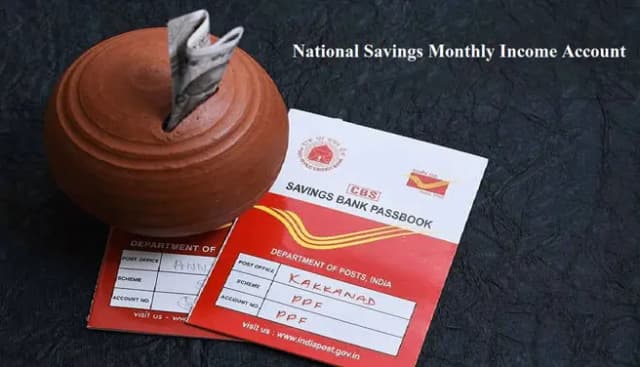
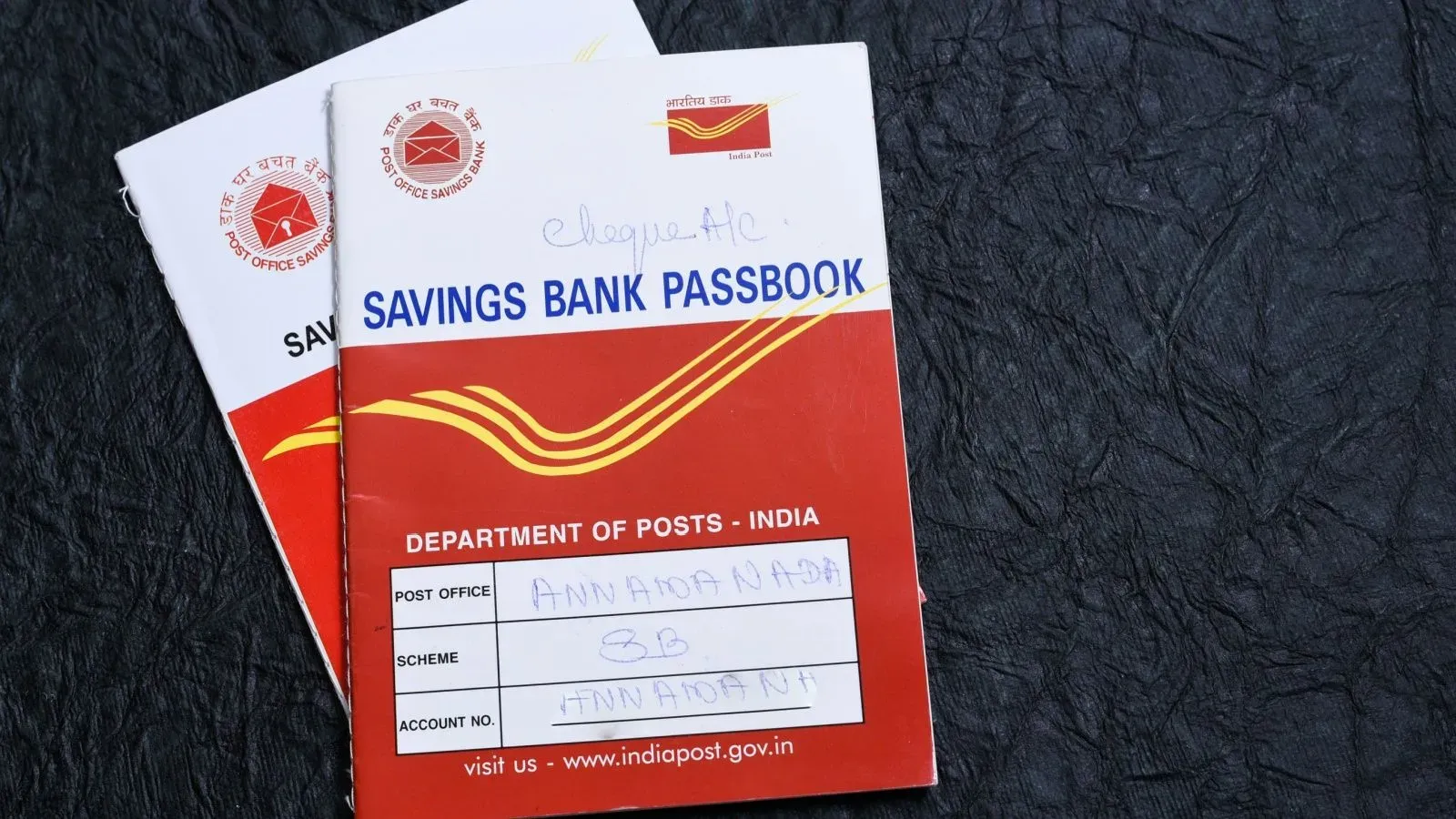
India Post office savings schemes passbook account interior
Post office RD TD NSC KVP certificates India display
Indian post office small savings schemes rural branch customers
Senior citizen saving scheme post office counter India
Post office Sukanya Samriddhi PPF NSC certificates example
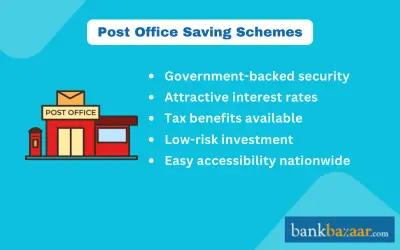
For millions of Indian citizens, especially middle-class and rural families, post office savings schemes are the first choice for safe investment.
People trust post offices because:
✔ Government support
✔ Easy access
✔ Simple rules
✔ No market risk
If you want safety, discipline, and peace of mind, post office schemes are made for you.
In this article, we will explain the post office saving schemes list in India in a simple, practical, and friendly way, with real Indian examples.
No difficult finance terms. Only clear guidance.
What Are Post Office Saving Schemes? (Simple Meaning)
Post office saving schemes are government-backed investment plans offered through:
👉 India Post
These schemes come under the supervision of:
👉 Ministry of Finance (India)
Their main purpose is:
✅ Encourage saving habit
✅ Protect small investors
✅ Provide stable returns
✅ Support retirement planning
In short:
👉 Post Office = Safety + Discipline + Trust
Why Indians Prefer Post Office Schemes
Post office schemes are popular because:
✔ Available in every village and town
✔ No stock market risk
✔ Easy documentation
✔ Low minimum investment
✔ Government guarantee
That is why senior citizens, housewives, farmers, and salaried people trust them.
Complete List of Post Office Saving Schemes in India
Let us understand each scheme one by one.
1️⃣ Post Office Savings Account (POSA)
This is like a normal bank savings account.
Features
| Feature | Details |
|---|---|
| Minimum Balance | ₹500 |
| Interest | Around 4% |
| Risk | Very Low |
| ATM/Online | Limited |
Suitable For
👉 Emergency fund + daily savings
2️⃣ Post Office Recurring Deposit (RD)
Best for small monthly savers.
Features
| Feature | Details |
|---|---|
| Tenure | 5 Years |
| Minimum Deposit | ₹100/month |
| Interest | 6%+ (Approx) |
| Mode | Monthly |
Example
Ramesh saves ₹1,000/month for 5 years.
Total = ₹60,000
Maturity ≈ ₹71,000
3️⃣ Post Office Time Deposit (TD)
Similar to Fixed Deposit.
Tenure Options
1 Year
2 Years
3 Years
5 Years (Tax Saving)
Features
| Feature | Details |
|---|---|
| Minimum | ₹1,000 |
| Interest | 6–7% |
| 80C Benefit | 5-Year TD |
4️⃣ Public Provident Fund (PPF)
Best long-term tax-free savings.
Features
| Feature | Details |
|---|---|
| Lock-in | 15 Years |
| Min Deposit | ₹500/year |
| Max Deposit | ₹1.5 lakh/year |
| Tax | EEE |
👉 Related Read:
Internal Link: PPF in India Explained
https://marketmeterab.blogspot.com/ppf-india-explained
5️⃣ National Savings Certificate (NSC)
Popular tax-saving certificate.
Features
| Feature | Details |
|---|---|
| Tenure | 5 Years |
| Minimum | ₹1,000 |
| Tax Benefit | 80C |
| Interest | 7%+ |
Good for lump-sum investors.
6️⃣ Kisan Vikas Patra (KVP)
Doubles money in fixed time.
Features
| Feature | Details |
|---|---|
| Maturity | ~115 Months |
| Risk | Very Low |
| Tax Benefit | No |
Example:
₹1 lakh → ₹2 lakh (in about 9.5 years)
7️⃣ Sukanya Samriddhi Yojana (SSY)
For girl child future.
Features
| Feature | Details |
|---|---|
| Beneficiary | Girl Child |
| Lock-in | 21 Years |
| Tax | EEE |
| Returns | High (Safe) |
👉 Related Read:
Internal Link: Sukanya Samriddhi Yojana Explained
https://marketmeterab.blogspot.com/sukanya-samriddhi-yojana
8️⃣ Senior Citizen Saving Scheme (SCSS)
For retired people.
Features
| Feature | Details |
|---|---|
| Age | 60+ |
| Tenure | 5 Years |
| Interest | 8%+ |
| Payout | Quarterly |
👉 Related Read:
Internal Link: Senior Citizen Saving Scheme Explained
https://marketmeterab.blogspot.com/senior-citizen-saving-scheme
9️⃣ Monthly Income Scheme (MIS)
For regular monthly income.
Features
| Feature | Details |
|---|---|
| Tenure | 5 Years |
| Max Deposit | ₹9L (Single) |
| Interest | 7%+ |
| Payout | Monthly |
Good for pension-like income.
Comparison Table: All Post Office Schemes
| Scheme | Tenure | Risk | Return | Best For |
|---|---|---|---|---|
| POSA | Flexible | Very Low | Low | Daily savings |
| RD | 5 Years | Very Low | Medium | Monthly savers |
| TD | 1–5 Years | Very Low | Medium | Lump sum |
| PPF | 15 Years | Very Low | Medium | Long-term |
| NSC | 5 Years | Very Low | Medium | Tax saving |
| KVP | 9.5 Years | Very Low | Medium | Money doubling |
| SSY | 21 Years | Very Low | High | Girl child |
| SCSS | 5 Years | Very Low | High | Seniors |
| MIS | 5 Years | Very Low | Medium | Monthly income |
Chart: How Post Office Schemes Work
Save Money
     ↓
Choose Scheme
     ↓
Deposit Regularly
     ↓
Earn Interest
     ↓
Get Maturity / Income
Simple and reliable.
Real-Life Indian Example
Case: Mahesh (Shop Owner, Jharkhand)
RD: ₹1,000/month
PPF: ₹50,000/year
MIS: ₹3 lakh
After 15 years:
✔ Emergency fund ready
✔ Tax-free corpus
✔ Monthly income
He created security without stock market.
Tax Benefits in Post Office Schemes
Some schemes give tax benefit under Section 80C:
| Scheme | 80C Benefit |
|---|---|
| PPF | Yes |
| NSC | Yes |
| 5-Year TD | Yes |
| SSY | Yes |
| SCSS | Yes |
But interest is taxable in many schemes.
Learn more:
Internal Link: Mutual Fund Taxation in India
https://marketmeterab.blogspot.com/mutual-fund-taxation-india
Post Office vs Bank vs Mutual Funds
| Feature | Post Office | Bank FD | Mutual Fund |
|---|---|---|---|
| Risk | Very Low | Low | Medium |
| Return | Medium | Low | High |
| Safety | Very High | High | Medium |
| Suitable | Conservative | Conservative | Growth |
Best plan = Mix of all three.
Who Should Invest in Post Office Schemes?
Best for:
✅ Senior citizens
✅ Rural families
✅ Housewives
✅ Risk-averse investors
✅ First-time savers
Not ideal for:
❌ Aggressive investors
❌ Short-term traders
How to Open Post Office Account
Steps:
1️⃣ Visit nearby post office
2️⃣ Carry Aadhaar, PAN, photos
3️⃣ Fill scheme form
4️⃣ Deposit money
5️⃣ Get passbook/certificate
Many services are now online also.
Common Mistakes Indians Make
Putting all money in one scheme
Ignoring tax on interest
Missing RD payments
Not nominating family
No growth investment
Avoid these.
Best Strategy for Common Indians
Smart approach:
| Tool | Purpose |
|---|---|
| PPF | Safety + Tax |
| RD | Discipline |
| MIS | Income |
| SIP | Growth |
👉 Related Read:
Internal Link: Long Term vs Short Term Investing
https://marketmeterab.blogspot.com/long-term-vs-short-term-investing
Role of Market Regulator
Market investments are regulated by:
👉 Securities and Exchange Board of India
Post office schemes are outside market risk.
That is why they are safer.
Statutory Disclaimer
Interest rates, rules, and tax benefits of post office saving schemes are subject to change as per Government of India notifications. This article is for educational purposes only and does not constitute financial advice. Investors should evaluate their financial goals and consult a qualified advisor before investing.
Frequently Asked Questions (FAQ)
Q1. Are post office schemes 100% safe?
Yes, they are government-backed.
Q2. Which scheme gives highest return?
Usually SCSS and SSY.
Q3. Can I invest online?
Some schemes are available online.
Q4. Is nomination available?
Yes, in all major schemes.
Q5. Can I withdraw early?
Some schemes allow premature withdrawal with penalty.
Useful Video & Image Resources
Post Office Savings Schemes Explained (Hindi):
https://www.youtube.com/watch?v=F8M2Q9L7X4ASmall Savings Scheme Guide:
https://www.youtube.com/watch?v=K9F3L2M8X7QIndia Post Official Website:
https://www.indiapost.gov.in
Bibliography
Ministry of Finance Notifications
India Post Small Savings Guidelines
Income Tax Act – Section 80C
RBI Financial Stability Reports
Post Office Scheme Brochures
Suggested Internal Links for MarketMeterAB
PPF in India Explained
https://marketmeterab.blogspot.com/ppf-india-explainedEPF vs PPF Difference Explained
https://marketmeterab.blogspot.com/epf-vs-ppf-differenceNPS Scheme in India Explained
https://marketmeterab.blogspot.com/nps-scheme-indiaHow Dividends Work in India
https://marketmeterab.blogspot.com/how-dividends-workWhat Is Stock Market in India
https://marketmeterab.blogspot.com/what-is-stock-market-india
Final Words
Post office saving schemes are like a strong safety net.
They may not make you rich fast, but they will:
✅ Protect your money
✅ Build discipline
✅ Give steady returns
✅ Reduce stress
If you want peace of mind along with savings, post office schemes deserve a place in your financial plan.
👉 Remember: Safety first. Growth later. Balance always.

Comments
Post a Comment