Sukanya Samriddhi Yojana in India Explained: Interest, Benefits & Calculation (2026 Guide)



Sukanya Samriddhi Yojana in India Explained: Complete Guide for Parents
Sukanya Samriddhi Yojana in India Explained: Interest, Benefits & Calculation (2026 Guide)
Learn how Sukanya Samriddhi Yojana works in India with simple examples, interest rate, tax benefits, maturity rules, and return calculation for girl child savings.
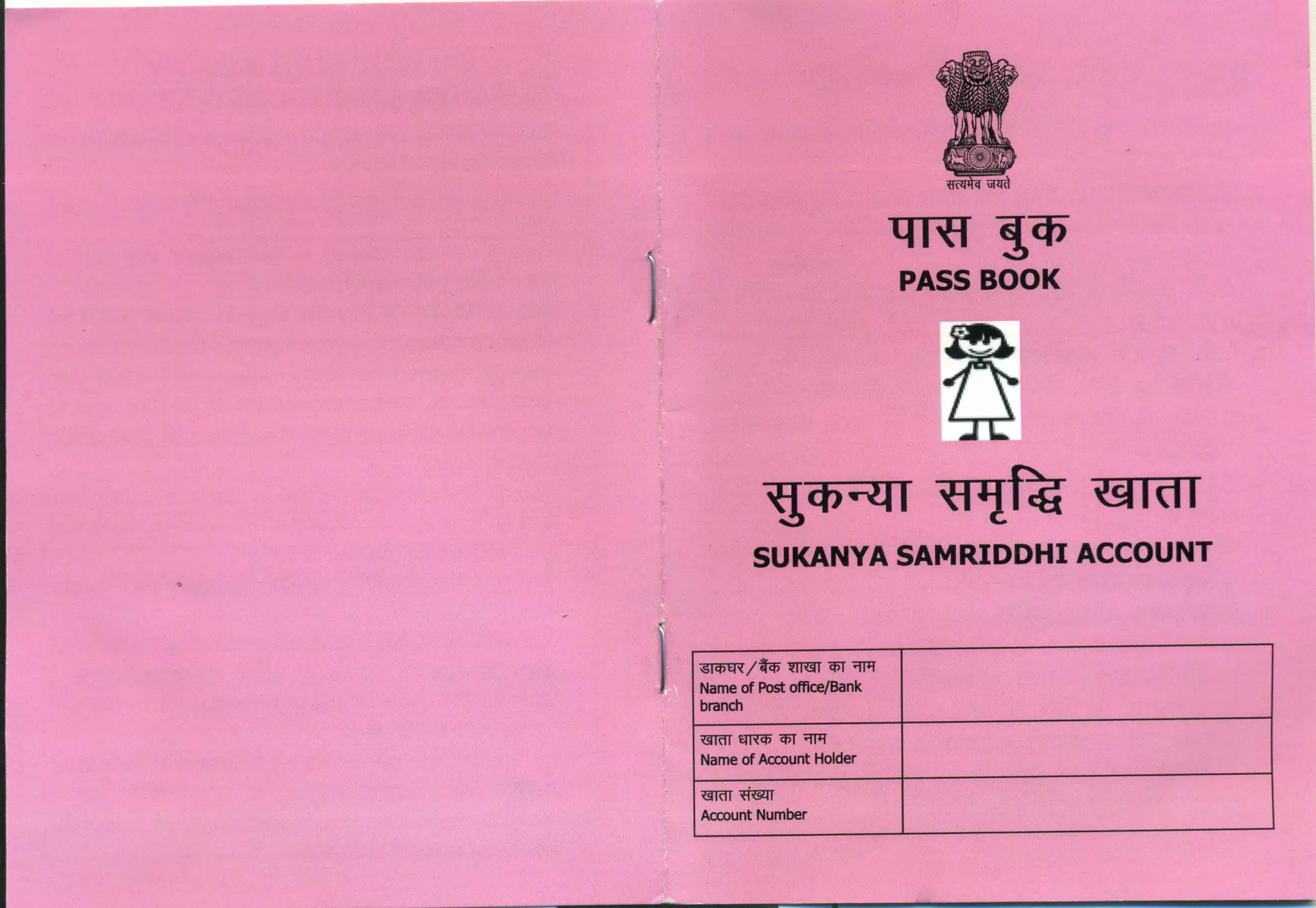
Sukanya Samriddhi Yojana passbook India savings example
SSY account opening form post office bank India
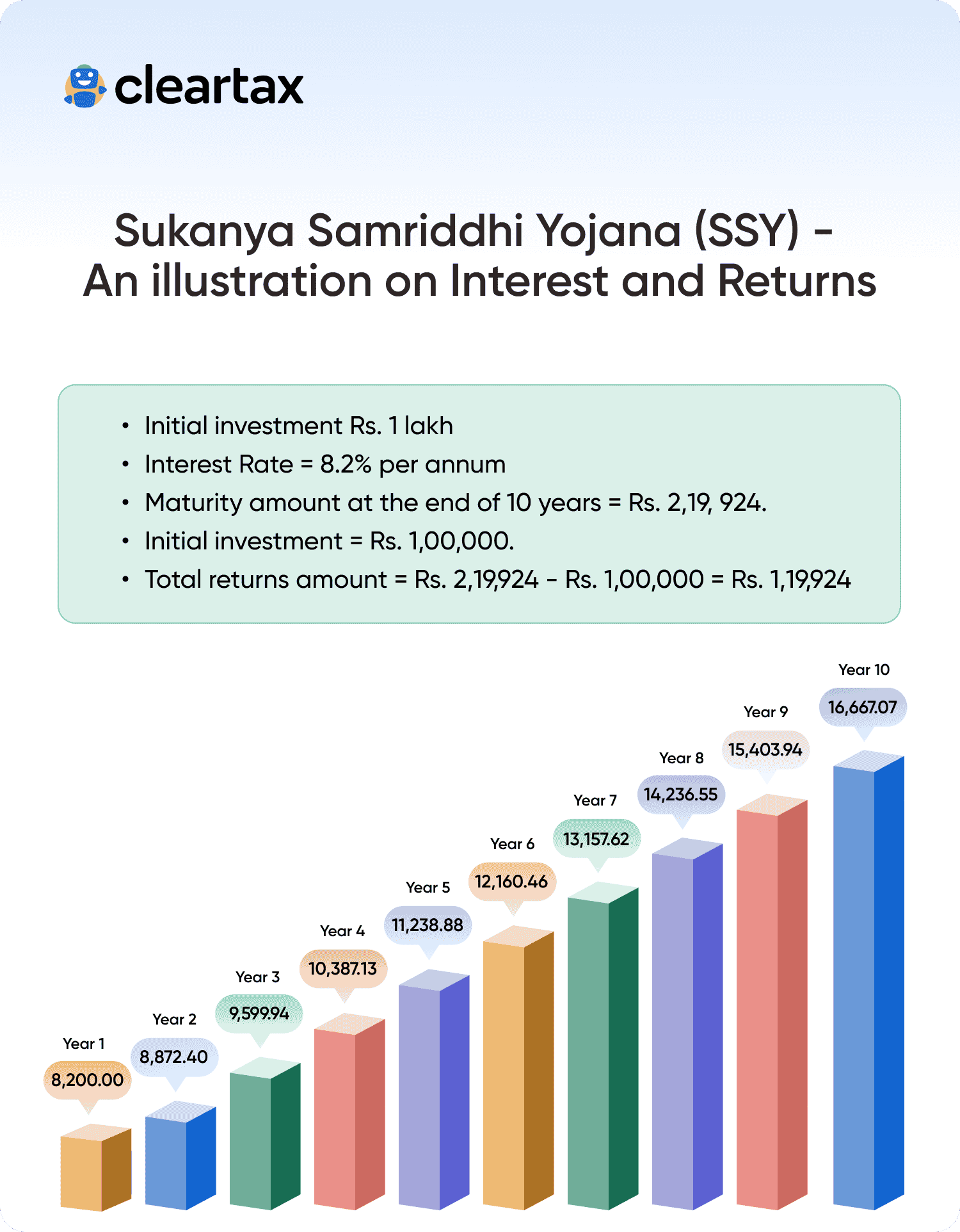
Sukanya Samriddhi Yojana interest calculation chart 21 years
Indian parents saving for girl child education SSY scheme
Sukanya Samriddhi deposit receipt bank post office India
For most Indian parents, one dream is common:
“I want to give my daughter the best education and a secure future.”
But rising education fees and marriage expenses worry many families.
This is where a powerful government scheme helps:
👉 Sukanya Samriddhi Yojana (SSY)
In this article, we will explain Sukanya Samriddhi Yojana in India in a simple, practical, and friendly way, using real-life Indian examples.
No difficult finance terms. Only clear understanding.
What Is Sukanya Samriddhi Yojana? (Simple Meaning)
Sukanya Samriddhi Yojana (SSY) is a savings scheme specially for girl children.
It was launched under the “Beti Bachao, Beti Padhao” initiative and is governed by:
👉 Ministry of Finance (India)
The main purpose is:
✅ Support girl child education
✅ Help in marriage expenses
✅ Encourage long-term savings
✅ Provide high, safe returns
In short:
👉 SSY = Future security for daughters
Who Can Open Sukanya Samriddhi Account?
SSY can be opened for:
Girl child below 10 years of age
By parents or legal guardians
Maximum two accounts per family (generally)
Only Indian resident girls are eligible.
Key Features of Sukanya Samriddhi Yojana
| Feature | Details |
|---|---|
| Scheme Type | Government-backed savings |
| Beneficiary | Girl child |
| Lock-in Period | 21 Years |
| Deposit Period | First 15 Years |
| Min Deposit | ₹250 per year |
| Max Deposit | ₹1.5 lakh per year |
| Risk | Very Low |
| Tax Benefit | EEE (Tax-Free) |
SSY is one of the safest schemes in India.
What Does EEE Benefit Mean?
SSY follows EEE (Exempt-Exempt-Exempt) rule:
1️⃣ Investment → Tax-free (80C)
2️⃣ Interest → Tax-free
3️⃣ Maturity → Tax-free
So, you don’t pay any tax at any stage.
This is a big advantage.
👉 Related Read:
Internal Link: PPF in India Explained with Calculation
https://marketmeterab.blogspot.com/ppf-india-explained
How Sukanya Samriddhi Interest Is Calculated
Interest is:
👉 Calculated monthly
👉 Compounded yearly
👉 Declared quarterly by government
Current rates are usually between 7.5% – 8.5% (varies with time).
Best practice:
💡 Deposit before 5th of every month for full interest.
How Long Do You Need to Invest?
SSY works in two phases:
Phase 1: Deposit Period (15 Years)
You invest yearly for 15 years.
Phase 2: Maturity Period (Next 6 Years)
No deposit needed. Money grows automatically.
Total duration = 21 Years
Calculation Example: Sukanya Samriddhi Returns
Let’s understand with real numbers.
Case 1: ₹50,000 Per Year Investment
Annual Deposit: ₹50,000
Deposit Period: 15 Years
Total Invested: ₹7.5 lakh
Interest: 8% (example)
Approx Maturity Value:
👉 ₹22–25 lakh
₹7.5 lakh becomes 3 times.
Case 2: Maximum ₹1.5 Lakh Per Year
Annual Deposit: ₹1,50,000
Deposit Period: 15 Years
Total Invested: ₹22.5 lakh
Approx Maturity Value:
👉 ₹65–70 lakh
Completely tax-free.
Chart: SSY Growth Example (₹1.5 Lakh/Year)
Year 5   → ₹9–10 lakh
Year 10  → ₹22–25 lakh
Year 15  → ₹40–45 lakh
Year 21  → ₹65+ lakh
Time + discipline = big wealth.
Real-Life Indian Example
Case: Rina (Homemaker, Patna)
Opened SSY for daughter at age 2
Invests ₹60,000/year
At daughter’s age 23:
Total Invested: ₹9 lakh
Value: ₹28+ lakh
This helps in college + marriage.
That is smart planning.
Withdrawal Rules in Sukanya Samriddhi
For Education (After Age 18)
For higher studies
For Marriage (After 18 Years)
Full withdrawal allowed
At Maturity (21 Years)
Full amount can be withdrawn
So, money is available when needed most.
How to Open SSY Account in India
You can open SSY account in:
✅ Post Office
✅ SBI, PNB, BOI, and other banks
✅ Selected private banks
Documents Required
Girl child birth certificate
Parent’s Aadhaar & PAN
Address proof
Photos
Process is simple and mostly offline (some banks offer online).
Sukanya Samriddhi vs PPF vs NPS
| Feature | SSY | PPF | NPS |
|---|---|---|---|
| Beneficiary | Girl Child | All | All |
| Lock-in | 21 Years | 15 Years | Till 60 |
| Risk | Very Low | Very Low | Medium |
| Returns | High (Govt) | Medium | High |
| Pension | No | No | Yes |
SSY is best for girl child planning.
👉 Related Read:
Internal Link: EPF vs PPF Difference Explained
https://marketmeterab.blogspot.com/epf-vs-ppf-difference
Who Should Invest in SSY?
SSY is ideal for:
✅ Parents of young daughters
✅ Middle-class families
✅ Risk-averse investors
✅ Long-term planners
✅ Tax savers
Not suitable for:
❌ Parents of boys only
❌ Short-term investors
❌ Those needing liquidity
Best Strategy for Indian Parents
Smart parents combine:
SSY for daughter
SIP for growth
PPF for safety
Example Plan
| Tool | Purpose |
|---|---|
| SSY | Daughter’s future |
| SIP | Wealth growth |
| PPF | Safety backup |
This builds balanced security.
👉 Related Read:
Internal Link: Best SIP Amount for Beginners
https://marketmeterab.blogspot.com/best-sip-amount-india
Common Mistakes Indians Make in SSY
Missing yearly deposit
Depositing after deadline
Closing early
Not using full limit
No backup investment
Avoid these for best results.
Sukanya Samriddhi and Tax Planning
SSY helps in:
✅ Section 80C deduction (₹1.5 lakh)
✅ No tax on interest
✅ No tax on maturity
Learn more:
Internal Link: Mutual Fund Taxation in India
https://marketmeterab.blogspot.com/mutual-fund-taxation-india
Safety and Guarantee of SSY
SSY is backed by Government of India.
So:
✔ No market risk
✔ No company risk
✔ No default risk
It is among the safest schemes.
Statutory Disclaimer
Sukanya Samriddhi Yojana interest rates, rules, and tax benefits are subject to change as per Government of India notifications. This article is for educational purposes only and does not constitute financial advice. Investors should evaluate their financial goals and consult a qualified advisor before making decisions.
Frequently Asked Questions (FAQ)
Q1. Can I open SSY for two daughters?
Yes, usually two accounts per family are allowed.
Q2. Is SSY better than FD?
For long-term and tax-free returns, yes.
Q3. Can grandparents open SSY?
Only if they are legal guardians.
Q4. What if I miss deposit?
Small penalty applies, but account can be revived.
Q5. Can I close SSY early?
Only in special cases like medical emergency.
Useful Video & Image Resources
SSY Explained in Hindi:
https://www.youtube.com/watch?v=F8M2Q9L7X4ASukanya Samriddhi Calculation Guide:
https://www.youtube.com/watch?v=K9F3L2M8X7QSBI Sukanya Scheme Page:
https://sbi.co.in
Bibliography
Ministry of Finance Notifications
Government Savings Scheme Guidelines
Income Tax Act – Section 80C
RBI Financial Stability Reports
Bank and Post Office SSY Brochures
Suggested Internal Links for MarketMeterAB
NPS Scheme in India Explained
https://marketmeterab.blogspot.com/nps-scheme-indiaPPF in India Explained
https://marketmeterab.blogspot.com/ppf-india-explainedLong Term vs Short Term Investing
https://marketmeterab.blogspot.com/long-term-vs-short-term-investingHow to Open Demat Account
https://marketmeterab.blogspot.com/how-to-open-demat-accountHow Dividends Work in India
https://marketmeterab.blogspot.com/how-dividends-work
Final Words
Sukanya Samriddhi Yojana is not just a scheme.
It is:
✅ A promise for your daughter
✅ A shield against future expenses
✅ A gift of financial freedom
If you start early and stay regular, SSY can easily fund:
🎓 Higher education
💍 Marriage
🏡 Independence
👉 Remember: Strong daughters come from strong planning. Start today.

Comments
Post a Comment