Fixed Income Investment Options in India (2026 Guide): Safe & Stable Returns for Investors
Fixed Income Investment Options in India (2026 Guide): Safe & Stable Returns for Investors
Discover the best fixed income investment options in India including fixed deposits, government bonds, PPF, and debt funds. Learn how Indians can earn stable returns with low risk.
Fixed Income Investment Options in India – A Practical Guide for Stable Returns
Many investors in India look for safe and predictable returns instead of high risk investments. While stock markets can generate strong growth, they also come with volatility.
This is where fixed income investments become important.
Fixed income options provide regular interest income and relatively stable returns. They are widely used by conservative investors, retirees, and individuals planning long-term financial stability.
In this guide, we will explain the best fixed income investment options available in India, with simple examples for beginners.
What Is Fixed Income Investment?
Fixed income investment refers to financial instruments that provide regular interest payments at a predetermined rate.
Example:
If you invest ₹1,00,000 in an instrument paying 7% annual interest, you receive ₹7,000 per year.
Unlike stocks, where returns depend on market performance, fixed income investments provide predictable earnings.
Why Fixed Income Investments Are Popular in India
Many Indian households prefer stable investments because they offer:
Capital safety
Regular income
Lower market risk
Predictable returns
This makes them particularly useful for retirement planning and emergency funds.
1. Fixed Deposits (FD)

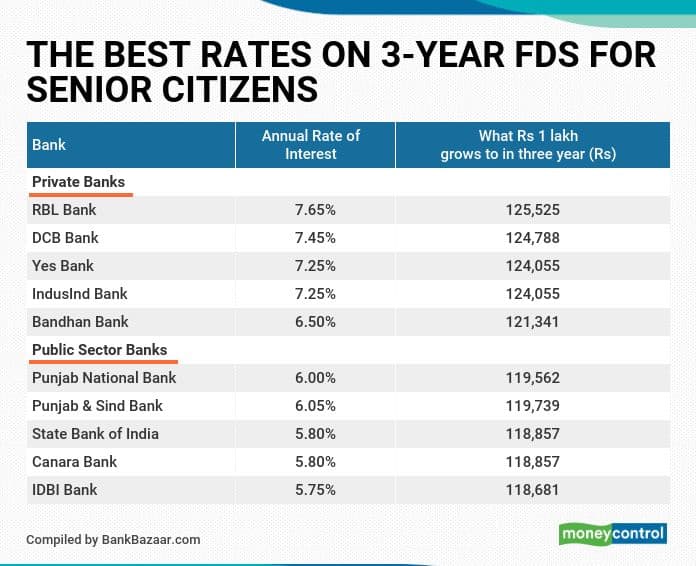

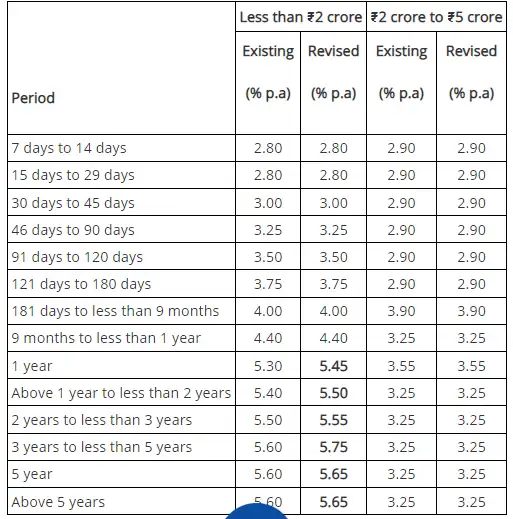
Fixed Deposits are among the most common investment options in India.
Banks offer FDs for different periods ranging from 7 days to 10 years.
Example:
Investment = ₹2,00,000
Interest rate = 7%
Annual income = ₹14,000
Advantages:
Capital protection
Predictable income
Easy to open
Disadvantages:
Interest income is taxable
Returns may not beat inflation
2. Public Provident Fund (PPF)
The Public Provident Fund (PPF) is a government-backed savings scheme.
It is managed by the
Government of India.
Key features:
15-year investment period
Tax benefits under Section 80C
Interest compounded annually
Example:
Annual investment: ₹1,50,000
Long-term compounding can generate a significant retirement corpus.
PPF is widely used for long-term wealth creation and tax saving.
3. Government Bonds
Government bonds are considered among the safest investments because they are backed by the government.
They are regulated by the
Reserve Bank of India.
Examples include:
RBI Floating Rate Bonds
Treasury Bills
Example:
Investment = ₹5,00,000
Interest rate = 7.15%
Annual income ≈ ₹35,750
Government bonds offer higher safety but may have longer lock-in periods.
4. Corporate Bonds



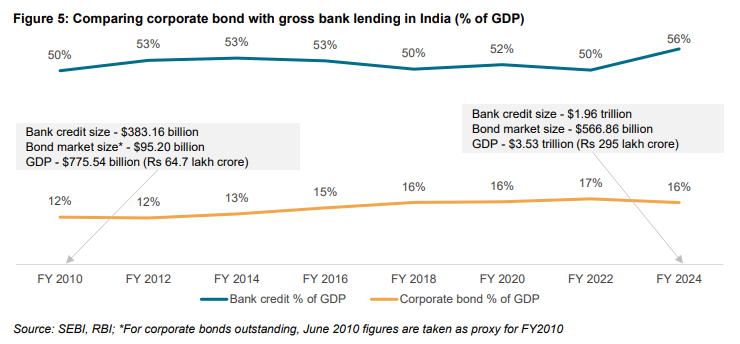
Corporate bonds are issued by companies to raise funds.
They usually offer higher interest rates than bank deposits.
Example:
Investment = ₹1,00,000
Interest rate = 8.5%
Annual income = ₹8,500
However, investors must evaluate the credit rating of the company.
Higher returns may involve higher risk.
5. Post Office Saving Schemes
India Post offers several reliable fixed income schemes.
These schemes are supported by the
India Post.
Popular options include:
Post Office Monthly Income Scheme (MIS)
National Savings Certificate (NSC)
Senior Citizen Savings Scheme (SCSS)
Example:
SCSS provides attractive interest rates and is widely used by retirees.
6. Debt Mutual Funds
Debt mutual funds invest in fixed income securities like bonds and treasury bills.
They are managed by professional fund managers.
Advantages:
Liquidity
Diversification
Potentially better returns than FD
However, debt funds may carry:
Credit risk
Investors should understand the fund portfolio before investing.
Fixed Income Investment Structure
Investor Money
        ↓
Fixed Income Instrument
        ↓
Regular Interest Payment
        ↓
Capital Returned at Maturity
This predictable structure makes fixed income instruments attractive for conservative investors.
Example – Balanced Fixed Income Portfolio
Ramesh, a 45-year-old professional, allocates ₹10 lakh as follows:
| Investment | Amount | Expected Return |
|---|---|---|
| Fixed Deposits | ₹4,00,000 | 7% |
| PPF | ₹2,00,000 | 7–8% |
| Government Bonds | ₹2,00,000 | 7% |
| Debt Funds | ₹2,00,000 | 7–9% |
This diversified approach reduces risk while generating stable income.
Fixed Income vs Equity Investment
| Feature | Fixed Income | Equity |
|---|---|---|
| Risk | Low to moderate | High |
| Returns | Stable | Variable |
| Income | Regular interest | Dividends / gains |
| Capital safety | Higher | Lower |
For understanding dividend-based investing read:
👉 Dividend Income in India Explained
https://marketmeterab.blogspot.com/2026/02/dividend-income-india.html
Role of Fixed Income in Financial Planning
Fixed income investments are essential for:
Retirement planning
Emergency funds
Capital preservation
Portfolio diversification
Many financial advisors recommend allocating 20–50% of investments to fixed income depending on age and risk tolerance.
Taxation of Fixed Income Investments
Interest income from most fixed income investments is taxable.
Examples:
FD interest taxed as per slab
Bond interest taxable
Debt fund taxation depends on holding period
Investors must report income while filing tax returns.
For detailed guidance read:
👉 ITR Filing in India Step-by-Step Master Guide
https://marketmeterab.blogspot.com/2026/02/itr-filing-india-guide.html
Common Mistakes Investors Make
Many beginners make mistakes such as:
Investing only in FD
Ignoring inflation
Not diversifying
Choosing high-yield risky bonds
A balanced strategy helps manage these risks.
Chart: Types of Fixed Income Investments
Government Backed
   ↓
PPF
Government Bonds
Post Office Schemes

Market Based
   ↓
Corporate Bonds
Debt Mutual Funds
Bank Fixed Deposits
Real Indian Example
Sunita, a retired school teacher in Jaipur, invests her retirement savings in:
Senior Citizen Savings Scheme
Fixed Deposits
RBI Bonds
These investments generate around ₹40,000 monthly income, covering most of her household expenses.
FAQ – Fixed Income Investments in India
What is the safest fixed income investment in India?
Government-backed schemes such as PPF and RBI bonds are considered among the safest.
Are fixed deposits risk free?
They are relatively safe but still subject to bank credit risk.
Do fixed income investments beat inflation?
Not always. Diversifying with growth assets may help.
Are fixed income returns guaranteed?
Most government schemes provide predictable returns.
Who should invest in fixed income?
Retirees, conservative investors, and individuals seeking stable income.
Reference Video Resources
Understanding Fixed Income Investments
https://www.youtube.com/watch?v=fixedincomeindia
Government Saving Schemes Explained
https://www.youtube.com/watch?v=govtsavingsindia
Bibliography
Reserve Bank of India publications
Government savings scheme guidelines
Income Tax Act, 1961
SEBI investor education resources
Financial planning research reports
Statutory Disclaimer
This article is intended for informational and educational purposes only. Investment decisions should be based on individual financial goals and risk tolerance. Readers should consult certified financial advisors before making investment decisions. marketmeterab.blogspot.com is not responsible for any financial loss arising from the use of this information.
Final Thoughts
Fixed income investments play an important role in building a stable financial future.
They offer:
predictable income
capital protection
portfolio balance
While they may not provide rapid growth like stocks, they create financial stability and peace of mind.
A well-balanced portfolio combining fixed income and growth investments can help Indian investors achieve long-term financial security.

Comments
Post a Comment