How Retirees Should Invest in India (2026 Guide): Safe Investment Strategy for Retirement Income
How Retirees Should Invest in India (2026 Guide): Safe Investment Strategy for Retirement Income
Learn how retirees should invest in India for safe income and capital protection. Explore fixed deposits, SCSS, bonds, dividend stocks and practical retirement investment strategies.
How Retirees Should Invest in India – A Practical Guide for Financial Security
Retirement is a major milestone in life. After years of work, people want financial stability, regular income, and peace of mind.
But retirement also brings a big financial question:
How should retirees invest their savings in India?
At this stage, the goal is different from young investors. Instead of chasing high growth, retirees usually focus on:
Capital protection
Regular income
Low risk investments
Tax efficiency
This guide explains practical investment options and strategies for retirees in India with simple examples.
Key Investment Goals for Retirees
Before choosing investments, retirees should focus on three important goals:
Preserving capital – protecting savings from loss
Generating regular income – covering monthly expenses
Beating inflation moderately – maintaining purchasing power
Achieving the right balance between safety and returns is essential.
Retirement Investment Strategy Overview
Retirement Corpus
        ↓
Safe Investments
        ↓
Regular Income
        ↓
Emergency Fund
        ↓
Moderate Growth Assets
A balanced approach ensures both stability and long-term sustainability.
1. Senior Citizen Savings Scheme (SCSS)




The Senior Citizen Savings Scheme (SCSS) is one of the most popular investment options for retirees.
It is backed by the
Government of India.
Key features:
Available for people aged 60+
Attractive interest rates
Quarterly interest payout
Tax deduction under Section 80C
Example:
Investment = ₹10,00,000
Interest rate ≈ 8.2%
Annual income ≈ ₹82,000
This scheme is widely used by retirees for stable income.
2. Bank Fixed Deposits
Bank Fixed Deposits remain a common choice among retirees.
Example:
Investment = ₹8,00,000
Interest rate = 7%
Annual interest income = ₹56,000
Many banks offer higher FD rates for senior citizens.
Advantages:
Capital safety
Predictable returns
Easy liquidity
However, interest income is taxable.
For deeper understanding read:
👉 Fixed Income Investment Options in India
https://marketmeterab.blogspot.com/2026/02/fixed-income-investment-india.html
3. Government Bonds
Government bonds are considered among the safest investments because they are backed by the government.
They are regulated by the
Reserve Bank of India.
Examples include:
RBI Floating Rate Bonds
Treasury Bonds
Example:
Investment = ₹5,00,000
Interest rate ≈ 7%
Annual income ≈ ₹35,000
Government bonds offer stability and long-term income.
4. Post Office Monthly Income Scheme (POMIS)
Another reliable option is the Post Office Monthly Income Scheme offered by
India Post.
Features:
Monthly income payout
Government backed security
Suitable for retirees needing regular cash flow
Example:
Investment = ₹9,00,000
Interest rate ≈ 7.4%
Monthly income ≈ ₹5,550
5. Dividend Paying Stocks



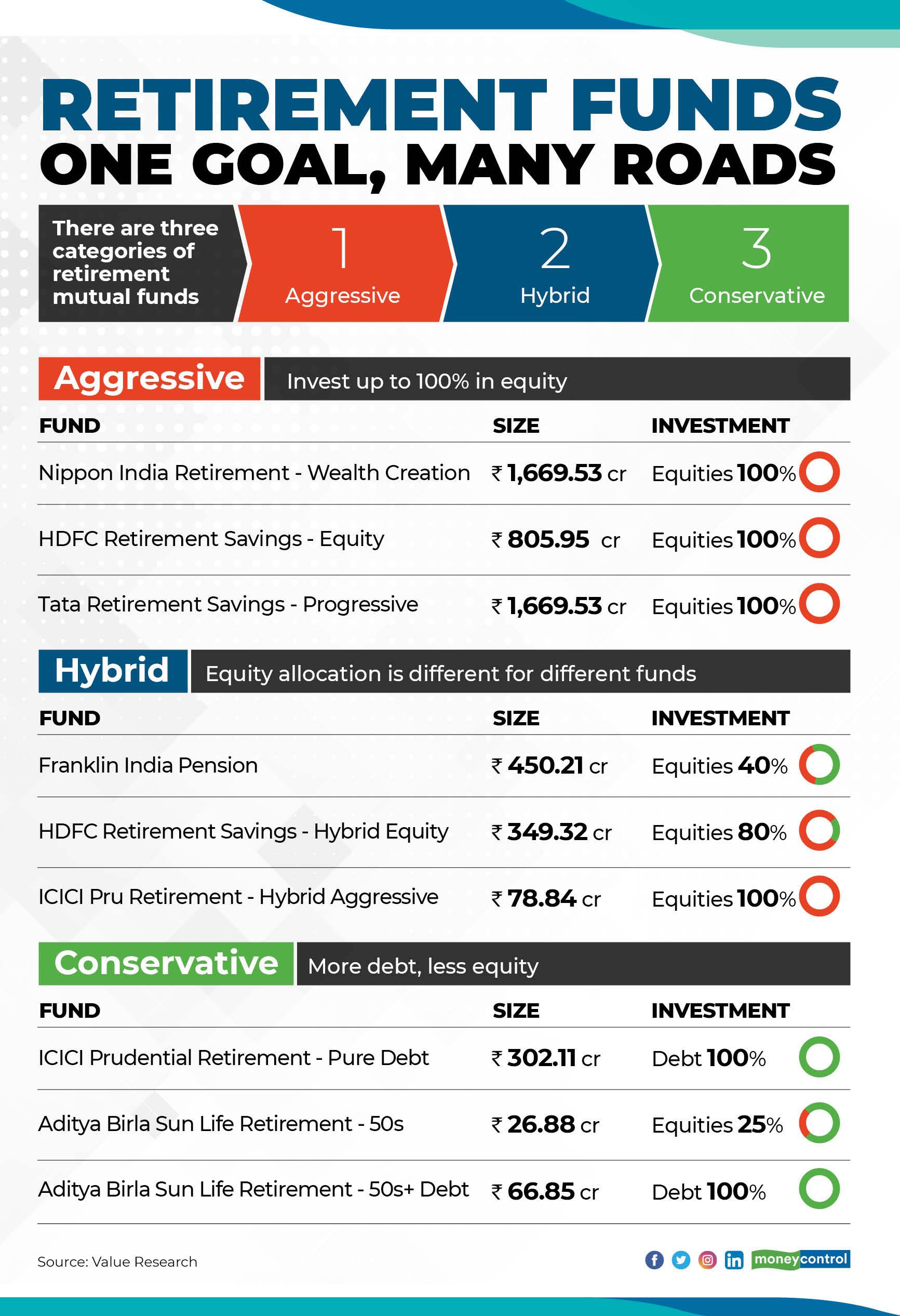
Some retirees allocate a portion of their savings to dividend-paying stocks.
Companies listed on the
National Stock Exchange
and
Bombay Stock Exchange
often distribute dividends.
Example:
Investment = ₹5,00,000
Dividend yield = 5%
Annual income = ₹25,000
Dividend income can supplement retirement cash flow.
Read more here:
👉 Dividend Income in India Explained
https://marketmeterab.blogspot.com/2026/02/dividend-income-india.html
6. Rental Income from Property
Rental income can provide a stable monthly income for retirees.
Example:
A flat rented at ₹18,000 monthly generates:
Annual income = ₹2,16,000
Rental property is a traditional wealth strategy in India.
However, retirees should consider maintenance and vacancy risks.
For taxation details read:
👉 Rental Income Tax Rules in India
https://marketmeterab.blogspot.com/2026/02/rental-income-tax-rules-india.html
Sample Retirement Investment Allocation
Example: Retirement corpus of ₹30 lakh
| Investment | Amount | Purpose |
|---|---|---|
| SCSS | ₹10,00,000 | Stable income |
| Fixed Deposits | ₹8,00,000 | Safety |
| Government Bonds | ₹5,00,000 | Stability |
| Dividend Stocks | ₹4,00,000 | Growth + income |
| Emergency Fund | ₹3,00,000 | Liquidity |
This diversified structure balances income and security.
Importance of Emergency Fund
Retirees should keep at least 12 months of expenses in liquid investments such as savings accounts or liquid funds.
This ensures immediate access to funds for medical or unexpected needs.
Common Investment Mistakes Retirees Make
Many retirees unknowingly make risky financial decisions.
Common mistakes include:
Investing large amounts in risky stocks
Falling for high-return schemes
Not diversifying investments
Ignoring inflation
A conservative approach helps preserve savings.
How Inflation Affects Retirees
Inflation gradually reduces purchasing power.
Example:
If inflation averages 6% annually, ₹50,000 monthly expenses today may become ₹90,000 in 10 years.
Therefore, retirees should keep a small portion of investments in growth assets.
Tax Planning for Retirees
Retirees must also consider taxation.
Income sources like:
FD interest
rental income
dividends
are taxable.
Filing income tax returns ensures compliance.
Learn the process here:
👉 ITR Filing in India Step-by-Step Master Guide
https://marketmeterab.blogspot.com/2026/02/itr-filing-india-guide.html
Retirement Income Planning Chart
Savings
  ↓
Investments
  ↓
Interest / Dividend / Rent
  ↓
Monthly Income
  ↓
Financial Security
Real Indian Case Study
Mr. Sharma, a retired government employee in Jaipur:
Retirement savings = ₹40 lakh.
Investment plan:
SCSS – ₹15 lakh
Fixed deposits – ₹10 lakh
Government bonds – ₹5 lakh
Dividend stocks – ₹5 lakh
Emergency fund – ₹5 lakh
Total annual income ≈ ₹3.2 lakh.
Combined with pension, this comfortably covers his expenses.
FAQ – Retirement Investing in India
What is the safest investment for retirees in India?
Government-backed schemes such as SCSS and post office savings schemes are considered among the safest.
Should retirees invest in stock markets?
A small allocation to dividend stocks may help beat inflation.
How much emergency fund should retirees keep?
At least 12 months of living expenses.
Is rental income good for retirees?
Yes, if property management is manageable.
Are retirement investments taxable?
Some income sources are taxable depending on tax rules.
Reference Video Resources
Retirement Planning in India
https://www.youtube.com/watch?v=retirementindia
Senior Citizen Investment Options
https://www.youtube.com/watch?v=seniorinvestindia
Bibliography
Government savings scheme guidelines
SEBI investor education materials
Financial planning research reports
Statutory Disclaimer
This article is intended for educational purposes only. Investment decisions should be based on individual financial goals and risk tolerance. Readers should consult qualified financial advisors before making financial decisions. marketmeterab.blogspot.com is not responsible for any financial loss resulting from actions taken based on this information.
Final Thoughts
Retirement investing is not about taking big risks.
It is about protecting what you have built over decades.
A balanced mix of:
safe government schemes
fixed income investments
moderate growth assets
can provide retirees with stable income and financial peace.
With careful planning and disciplined investing, retirement years can remain comfortable and financially secure.

Comments
Post a Comment