ITR Filing in India Step-by-Step Master Guide (2026): Complete Income Tax Return Process for Individuals
ITR Filing in India Step-by-Step Master Guide (2026): Complete Income Tax Return Process for Individuals
Learn ITR filing in India step-by-step with this complete 2026 master guide. Covers income calculation, tax regime choice, forms, deductions, verification, and common mistakes with Indian examples.
ITR Filing in India – Step-by-Step Master Guide for 2026
Filing Income Tax Return (ITR) is not just a legal duty. It is also proof of your income. It helps in:
Getting loans approved
Applying for visa
Claiming tax refunds
Avoiding penalties
Many people delay filing because they think it is complicated. The truth? Once you understand the flow, it becomes systematic and simple.
This guide explains everything in a clear step-by-step way for Indian taxpayers.
Step 1: Understand Who Needs to File ITR
Under the Income Tax Act, filing is mandatory if:
Your gross total income exceeds the basic exemption limit
You want to claim a refund
You have foreign assets or foreign income
You deposited large cash amounts
You are a company or firm
Basic exemption (for individuals below 60 years):
₹2.5 lakh (Old Regime)
₹3 lakh (New Regime default)
Always confirm current limits on the official portal of the
Income Tax Department.
Reference: https://www.incometax.gov.in
Step 2: Choose the Correct ITR Form
Choosing the correct form is crucial.
| Category | ITR Form |
|---|---|
| Salaried individual | ITR-1 |
| Capital gains / multiple houses | ITR-2 |
| Business / Profession | ITR-3 |
| Presumptive taxation (44ADA/44AD) | ITR-4 |
If you are a freelancer, read our detailed post:
👉 How Freelancers Pay Tax in India
(Internal Link: https://marketmeterab.blogspot.com/2026/02/how-freelancers-pay-tax-india.html)
Step 3: Collect All Required Documents
Before filing, keep these ready:
Aadhaar card
Form 16 (for salaried)
AIS (Annual Information Statement)
Bank statements
Investment proofs
Home loan certificate (if any)
You can download Form 26AS and AIS from the income tax portal.
Step 4: Calculate Your Total Income
Income can come from different heads:
Salary
House Property
Business or Profession
Capital Gains
Other Sources (FD interest, etc.)
Example – Indian Middle-Class Case
Amit from Pune:
Salary: ₹9,00,000
FD Interest: ₹40,000
ELSS investment: ₹1,50,000
Total income = ₹9,40,000
After Section 80C deduction = ₹7,90,000 taxable (Old Regime)
Step 5: Choose Between Old and New Tax Regime
India allows two regimes.
Old regime → Allows deductions
New regime → Lower tax rates but fewer deductions
If confused, read:
👉 Old vs New Tax Regime Explained
(Internal Link: https://marketmeterab.blogspot.com/2026/01/old-vs-new-tax-regime.html)
Always compare both before final submission.
Step 6: Log in to the Income Tax Portal
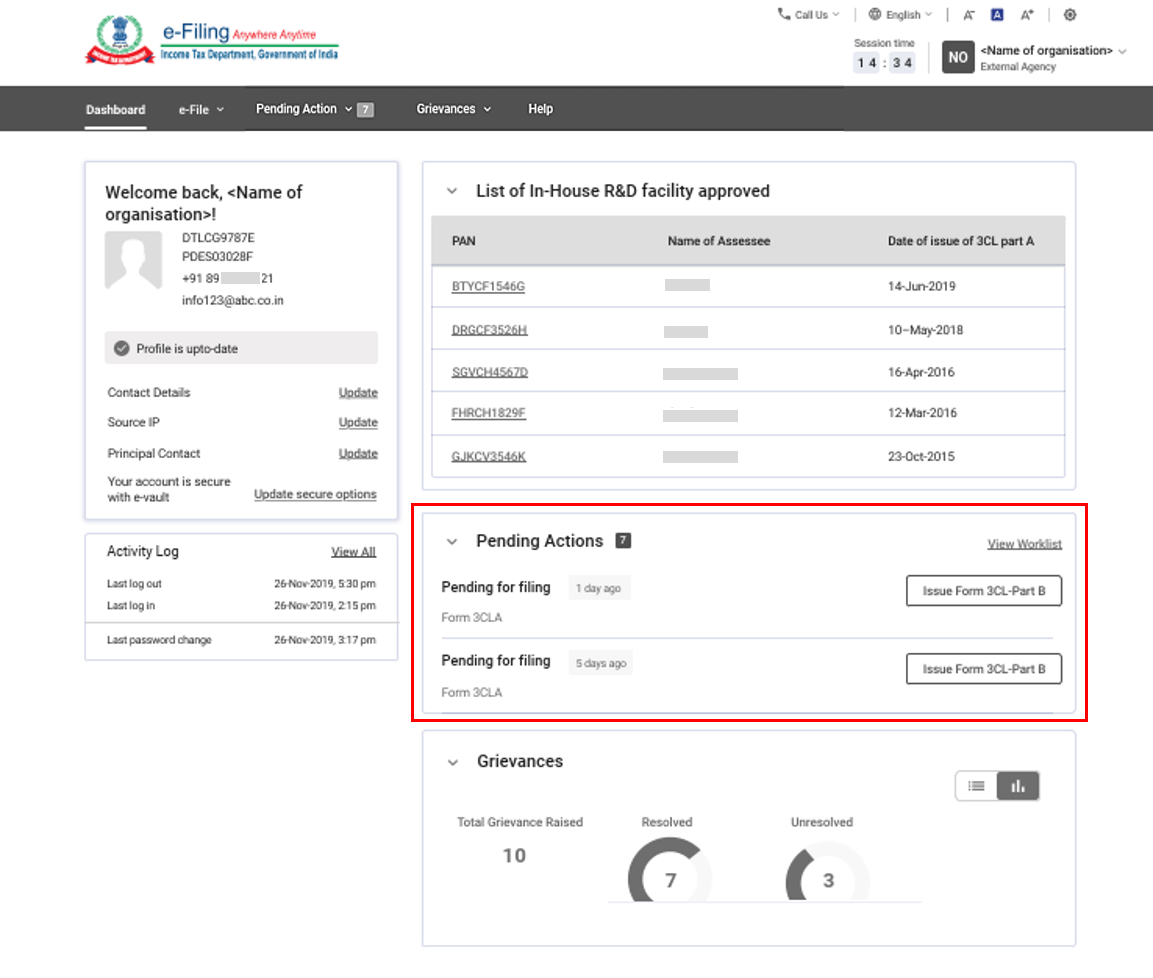
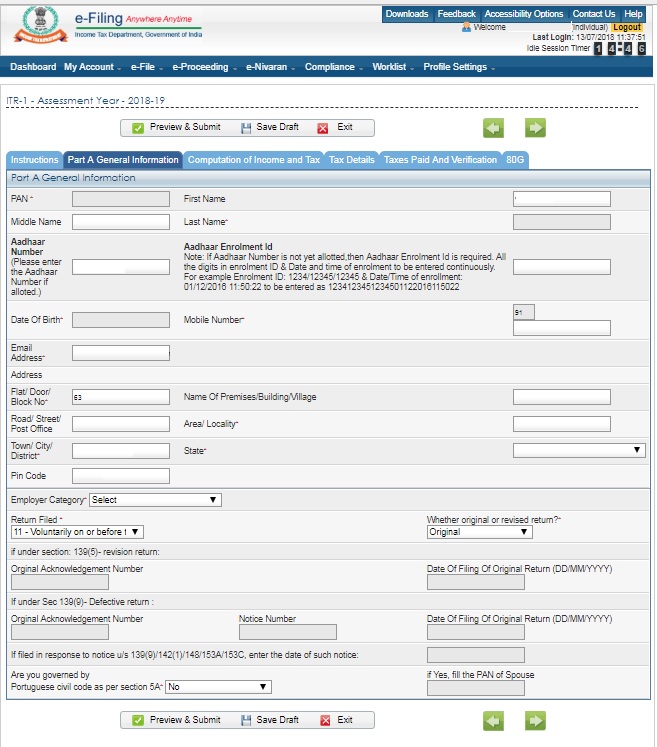
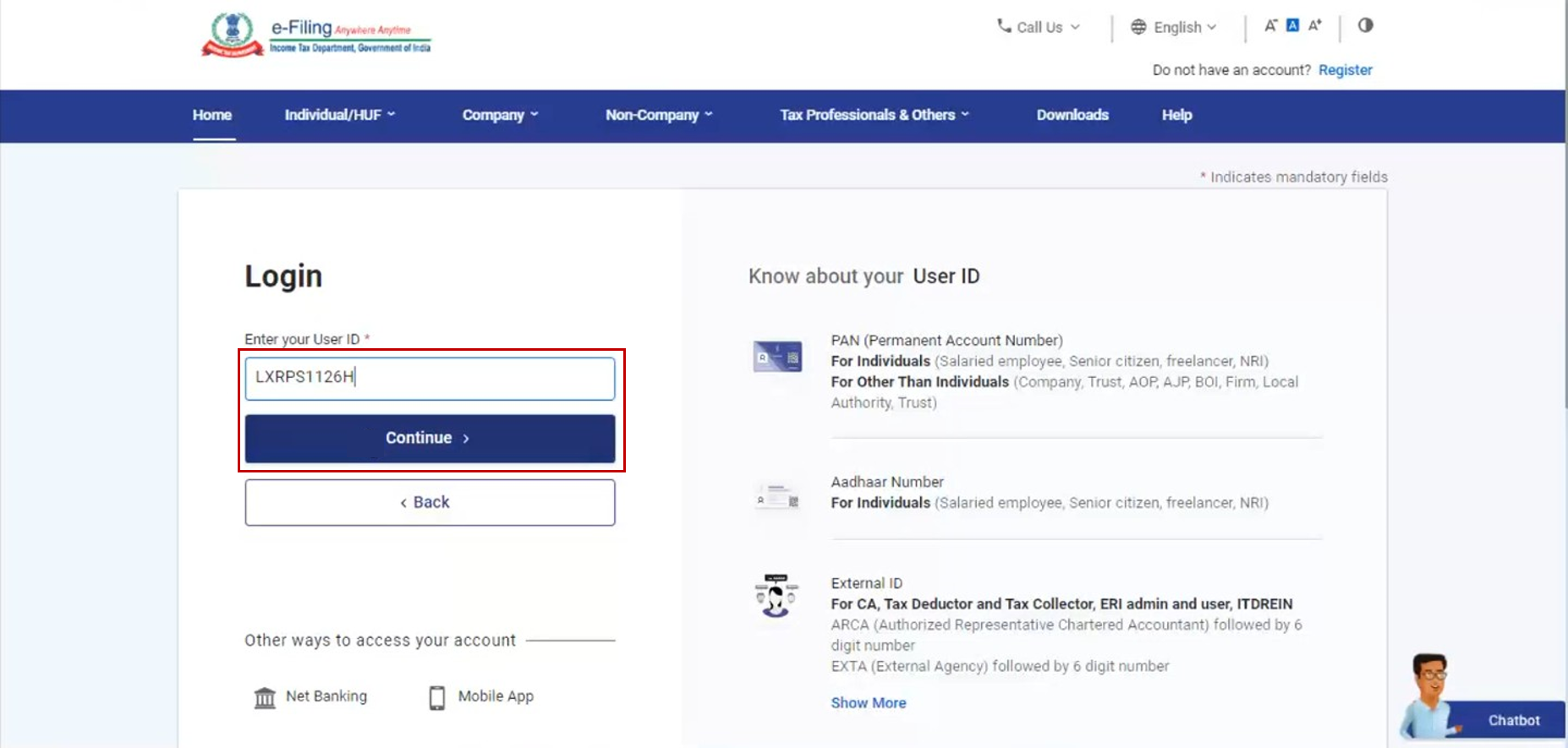
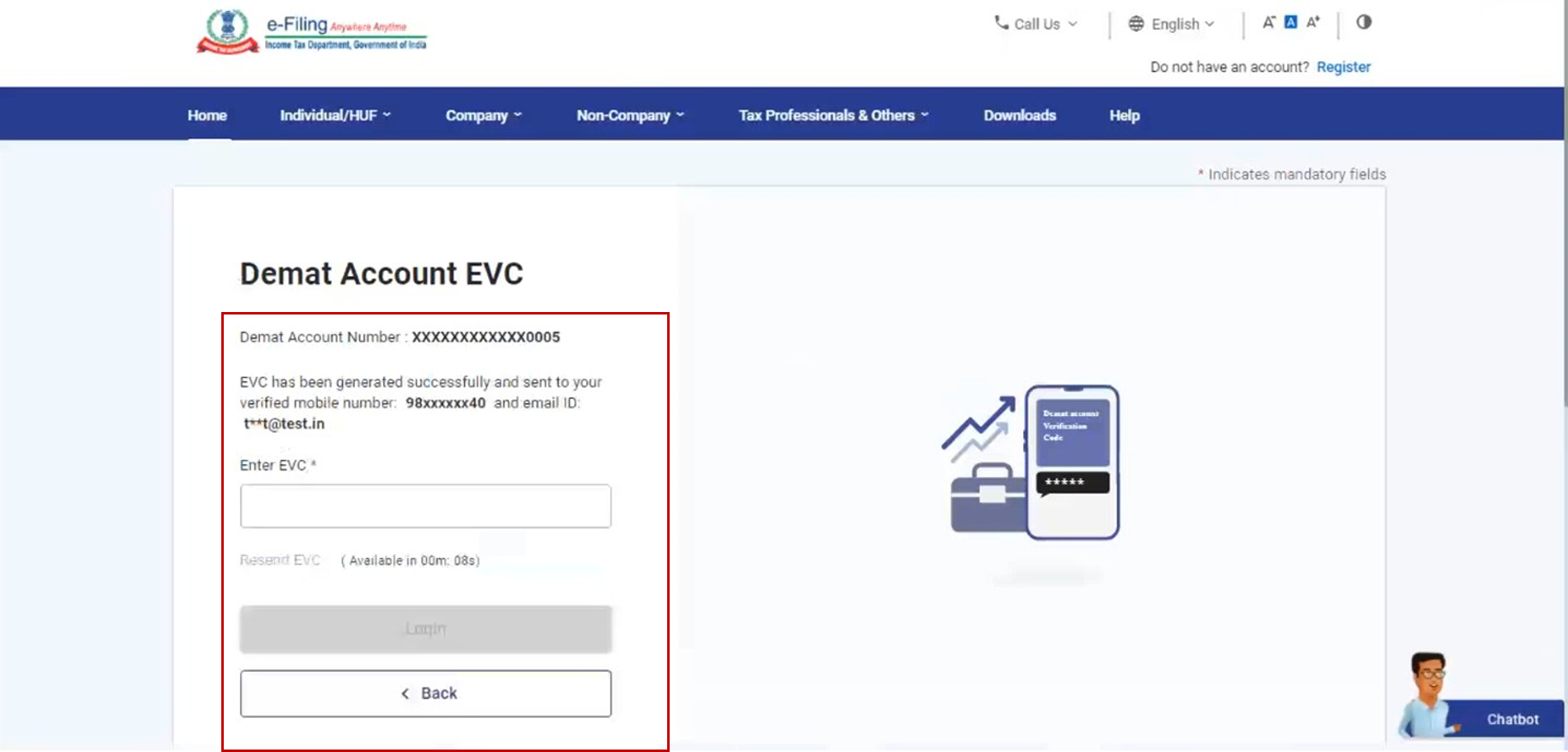
Steps:
Login using PAN and password
Click “File Income Tax Return”
Select assessment year
Choose online mode
Select correct ITR form
Follow guided instructions carefully.
Step 7: Fill Income Details Carefully
Enter income under correct heads.
Cross-check with:
Form 16
AIS
Bank statements
Mismatch may trigger notice.
Step 8: Claim Deductions (If Using Old Regime)
Common deductions:
80C (PPF, ELSS, LIC) – up to ₹1.5 lakh
80D (Health Insurance)
80E (Education Loan)
80G (Donations)
Double check limits.
Step 9: Tax Calculation & Advance Tax Adjustment
The portal auto-calculates tax.
If:
TDS deducted > Tax payable → Refund
Tax payable > TDS → Pay balance
You can pay tax online via net banking or UPI.
📊 ITR Filing Process Flow Diagram
Income Collection
        ↓
Choose ITR Form
        ↓
Fill Income Details
        ↓
Claim Deductions
        ↓
Tax Calculation
        ↓
Pay Balance Tax (if any)
        ↓
Submit ITR
        ↓
Verify ITR
Step 10: Verify Your ITR (Very Important)
ITR is not complete unless verified.
Ways to verify:
Aadhaar OTP
Net banking
Bank account EVC
Send signed ITR-V to CPC Bengaluru
E-verification is easiest and instant.
Step 11: Check Refund Status
After processing, you can track refund.
Processing is done by the
Centralized Processing Centre.
Refund is credited directly to your bank account.
Common Mistakes to Avoid
Selecting wrong ITR form
Not reporting FD interest
Forgetting to verify ITR
Ignoring AIS mismatch
Filing at last minute
Penalties may apply for late filing under Section 234F.
Important Due Dates
For most individuals (non-audit cases):
31 July (subject to extension notification)
Late filing attracts:
₹1,000 to ₹5,000 penalty
Interest under 234A
Always check updates from the
Central Board of Direct Taxes.
Real Example – Step by Step
Neha, a salaried employee in Mumbai:
Downloads Form 16
Checks AIS
Chooses ITR-1
Claims 80C and 80D
Portal shows ₹12,000 refund
E-verifies
Refund credited in 20 days
Simple and smooth.
Benefits of Filing ITR Even If Not Mandatory
Loan approval
Visa application
Carry forward losses
Avoid future scrutiny
Maintain financial credibility
For smart tax planning strategies, read:
👉 Tax Mistakes Indians Make Every Year
(Internal Link: https://marketmeterab.blogspot.com/2026/02/tax-mistakes-indians-make.html)
FAQ – ITR Filing in India
Q1. What if I miss the deadline?
You can file belated return with penalty before 31 December (usually).
Q2. Can I revise my ITR?
Yes, revised return allowed within prescribed time.
Q3. Is Aadhaar mandatory?
Yes, linking PAN with Aadhaar is mandatory.
Q4. How long does refund take?
Usually 7–30 days after processing.
Q5. Do homemakers need to file?
Only if income exceeds exemption limit.
Reference Video Resources
Income Tax Official YouTube Channel: https://www.youtube.com/@IncomeTaxIndiaOfficial
Step-by-Step Filing Demo: https://www.youtube.com/watch?v=exampleITRdemo
Bibliography
Finance Act (Latest Amendment)
Income Tax Portal – https://www.incometax.gov.in
CBDT Circulars & Notifications
Government Press Releases
Statutory Disclaimer
This article is for educational purposes only. Tax laws change periodically. Readers are advised to consult a Chartered Accountant or qualified tax professional before making tax decisions. marketmeterab.blogspot.com is not responsible for any financial loss due to reliance on this information.
Final Thoughts
ITR filing is not something to fear.
If you follow:
Correct form
Accurate income reporting
Proper deduction claims
Timely verification
Then the process becomes smooth and stress-free.
Do not wait for the last date. File early. Stay compliant. Stay confident.

Comments
Post a Comment