What Is Passive Income in India? Complete 2026 Guide with Real Indian Examples
What Is Passive Income in India? Complete 2026 Guide with Real Indian Examples
Discover what passive income means in India, top passive income ideas, tax rules, and step-by-step strategies with practical Indian examples. A simple 2026 guide for beginners.
What Is Passive Income in India? A Simple and Practical Guide
Most Indians grow up believing that income comes only from a job or business. You work daily, and you get paid monthly. But what if money starts coming even when you are not actively working?
That is called passive income.
Passive income is not “free money.” It requires effort, investment, or skill at the beginning. But once built properly, it generates income with minimal daily involvement.
Let’s understand this clearly with Indian examples.
Active Income vs Passive Income
Active Income
You exchange time for money.
Examples:
Salary
Freelancing
Daily consulting
Passive Income
You create an asset once. It keeps paying you repeatedly.
Examples:
Rental income
Dividend income
YouTube ad revenue
Royalties from a book
Simple Example
Rahul works in an IT company in Bengaluru and earns ₹12 lakh per year.
He invests ₹10 lakh in dividend-paying stocks. Every year he receives ₹60,000 as dividends without working extra.
That ₹60,000 is passive income.
Types of Passive Income in India
1️⃣ Rental Income from Property
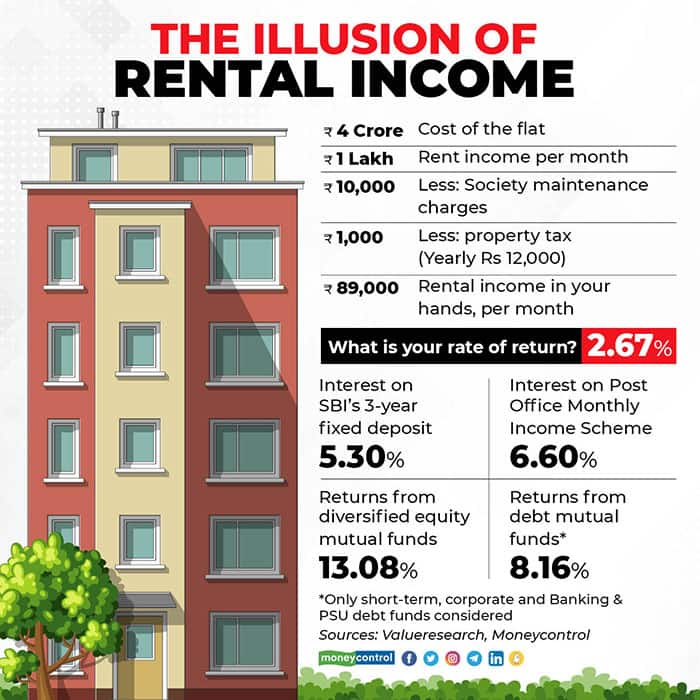



Buying property and renting it out is one of the oldest passive income methods in India.
Example:
Property price: ₹40 lakh
Monthly rent: ₹18,000
Annual rental income: ₹2,16,000
Pros:
Stable income
Property appreciation
Cons:
High initial investment
Maintenance cost
2️⃣ Dividend Income from Stocks




Companies listed on
Bombay Stock Exchange
or
National Stock Exchange
often pay dividends.
Example:
If you invest ₹5 lakh in dividend-yield stocks giving 5% yield → ₹25,000 yearly passive income.
But remember: stock prices fluctuate.
3️⃣ Interest Income (FD, Bonds, Debt Funds)
Corporate Bonds
Example:
₹10 lakh FD at 7% → ₹70,000 yearly.
This is low-risk but taxed as per your slab.
4️⃣ Digital Passive Income

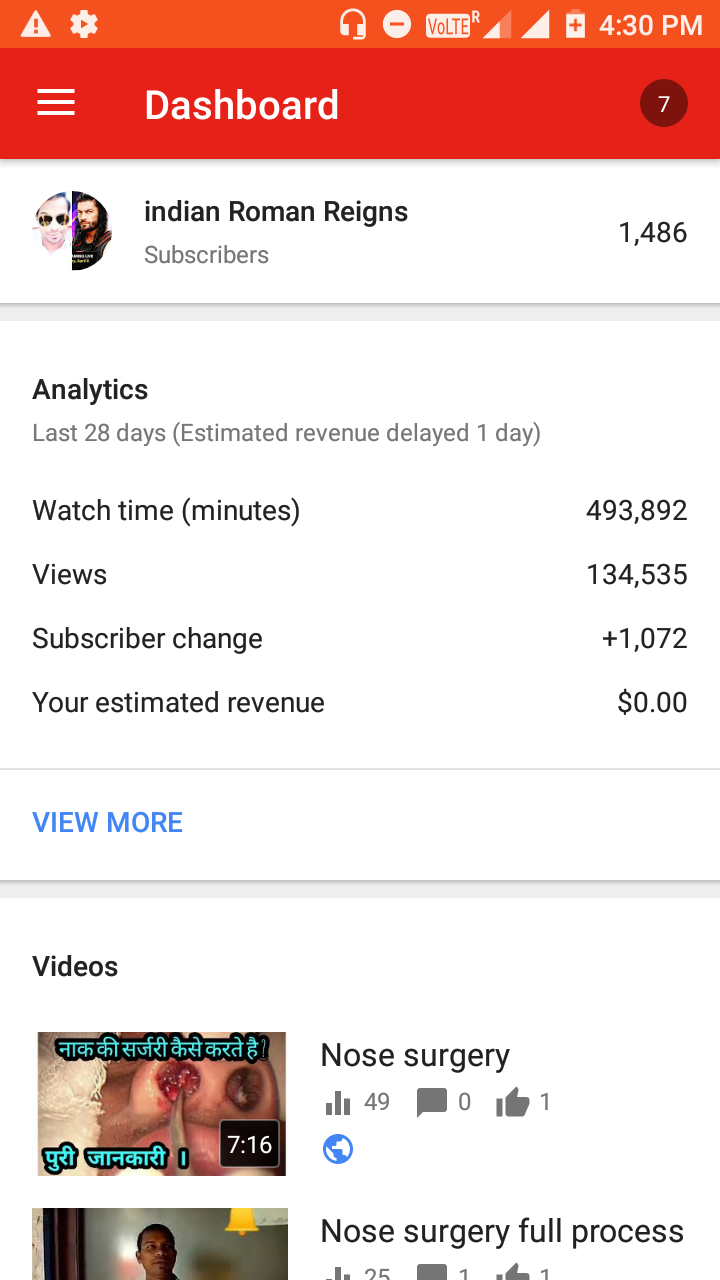


Modern India offers digital passive income:
Online courses
Kindle publishing
Example:
Priya creates a stock market course once and sells it repeatedly.
For understanding taxation of digital income, read:
👉 How Freelancers Pay Tax in India
(Internal Link: https://marketmeterab.blogspot.com/2026/02/how-freelancers-pay-tax-india.html)
5️⃣ REITs (Real Estate Investment Trusts)
Instead of buying property, you can invest in REITs listed on exchanges.
Lower investment. Rental yield exposure. No tenant headache.
Passive Income vs Financial Freedom
Passive income becomes powerful when:
Passive income ≥ Monthly expenses
Example:
| Monthly Expense | ₹50,000 |
|---|---|
| Passive Income | ₹55,000 |
Now job becomes optional.
Passive Income Flow Diagram
Active Income
      ↓
Savings
      ↓
Investment in Assets
      ↓
Asset Generates Income
      ↓
Reinvest Income
      ↓
Compound Growth
Taxation of Passive Income in India
Passive income is taxable.
| Income Type | Tax Treatment |
|---|---|
| Rental Income | Income from House Property |
| Dividend | Taxable as per slab |
| Interest | Taxable as per slab |
| Capital Gains | LTCG/STCG rules apply |
File properly using the guidelines in:
👉 ITR Filing in India Step-by-Step Master Guide
(Internal Link: https://marketmeterab.blogspot.com/2026/02/itr-filing-india-guide.html)
How to Start Building Passive Income in India (Step-by-Step)
Step 1: Clear High-Interest Debt
Do not build assets while paying 18% credit card interest.
Step 2: Build Emergency Fund
At least 6 months expenses.
Step 3: Start Small Investments
SIP in dividend mutual funds
REIT investments
FD laddering
Step 4: Develop One Digital Asset
Start blog
Write eBook
Launch YouTube channel
Step 5: Reinvest Earnings
Compounding makes the magic.
Real Indian Case Study
Ankit, 32, Delhi:
Salary: ₹15 lakh
SIP investment: ₹25,000 monthly
Buys one small flat for rent
Starts personal finance blog
After 7 years:
Rental income: ₹22,000/month
Dividends: ₹40,000/year
Blog income: ₹35,000/month
Total passive income ≈ ₹60,000/month
Now financial pressure reduces significantly.
Common Myths About Passive Income
❌ It is instant
❌ It requires no work
❌ Only rich people can build it
❌ It is tax-free
Truth: It requires planning, patience, and discipline.
Risks in Passive Income
Market risk
Tenant default
Regulatory changes
Tax rule changes
Always diversify.
FAQ – Passive Income in India
Q1. Is passive income legal in India?
Yes, completely legal. Must comply with tax laws.
Q2. How much passive income is safe?
Enough to cover fixed expenses is ideal.
Q3. Can students build passive income?
Yes, via digital assets and SIP investments.
Q4. Is rental income better than stocks?
Depends on capital, risk appetite, and liquidity needs.
Q5. Is passive income taxable?
Yes. Always report in ITR.
Reference Video Resources
SEBI Investor Education Channel: https://www.youtube.com/@SEBIIndia
RBI Financial Education: https://www.youtube.com/@ReserveBankOfIndiaOfficial
Bibliography
SEBI Investor Education Material
RBI Financial Literacy Documents
NSE India – https://www.nseindia.com
BSE India – https://www.bseindia.com
Statutory Disclaimer
This article is for educational purposes only. Investments are subject to market risks. Readers are advised to consult financial advisors or tax professionals before making investment decisions. marketmeterab.blogspot.com is not liable for any financial loss arising from the use of this information.
Final Thoughts
Passive income in India is not a shortcut. It is a strategy.
You earn actively.
You invest wisely.
You build assets slowly.
You let compounding work quietly.
Start small. Stay consistent. Think long term.
That is how passive income grows in India.

Comments
Post a Comment